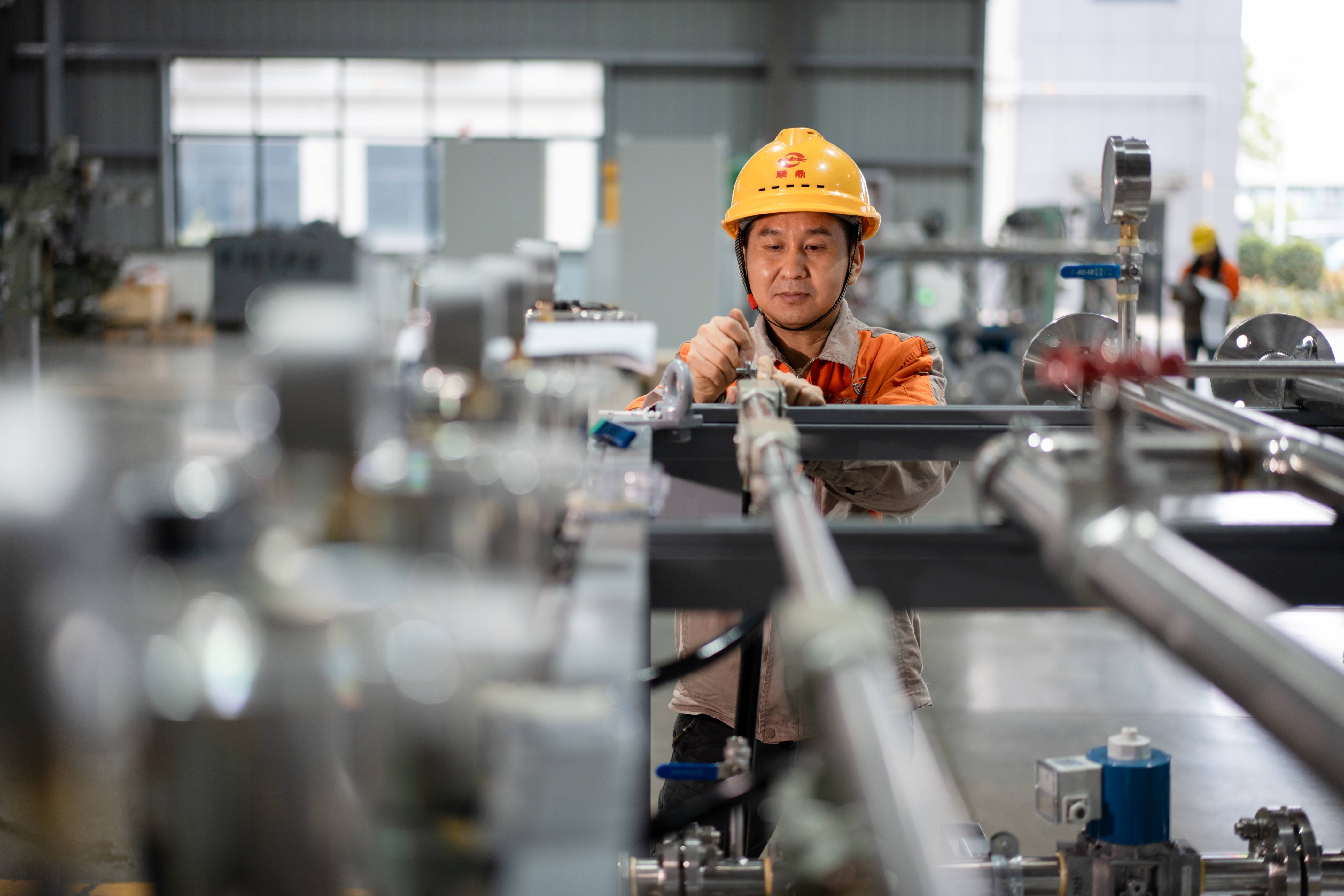










Asia's glass manufacturing sector has emerged as a global powerhouse, producing high-precision equipment that serves industries from pharmaceuticals to semiconductors. As demand for quality laboratory and industrial glass equipment grows worldwide, understanding the stringent standards and complex regulations governing Asian manufacturers becomes essential for importers, distributors, and end-users.
The Asian Glass Equipment Industry Landscape
China, India, and Japan dominate glass equipment manufacturing across Asia, collectively accounting for over 60% of global production. China leads in volume manufacturing, while Japan maintains superiority in precision-engineered equipment, and India has carved out a significant niche in cost-effective, quality-assured products.
The sector encompasses borosilicate glassware, laboratory apparatus, pharmaceutical packaging, and specialized industrial glass components. Companies range from small artisanal workshops to multinational operations with state-of-the-art facilities employing thousands. This diversity reflects the mature ecosystem that has developed across the region over several decades.
ISO 9001 and Quality Management Systems
ISO 9001:2015 certification represents the baseline quality standard for reputable Asian glass manufacturers. This internationally recognized standard requires manufacturers to implement robust quality management systems covering design, production, testing, and delivery processes.
Leading manufacturers in India and China maintain ISO 9001 certification across all production facilities. These systems mandate documented procedures, regular internal audits, and management reviews to ensure consistent product quality. The certification process typically involves third-party audits by accredited certification bodies, verifying compliance with international standards.
Beyond ISO 9001, many Asian glass manufacturers pursue additional certifications including ISO 13485 for medical devices, ISO 14644 for cleanroom standards, and ISO 50001 for energy management. These layered certifications demonstrate commitment to comprehensive quality and safety protocols that exceed basic requirements.
Borosilicate Glass Standards and Specifications
Borosilicate glass, the gold standard for laboratory and pharmaceutical applications, must meet rigorous international specifications. The most widely recognized standards include Type A borosilicate glass (Indian Standard IS 695-1990) and Type I borosilicate glass (ASTM C 1095 from the American Society for Testing and Materials).
These standards specify exact chemical compositions, thermal shock resistance, and optical clarity. Type I borosilicate glass contains 9-10% boric oxide, creating exceptional durability for autoclave sterilization and extreme temperature fluctuations. Chinese and Indian manufacturers invest heavily in quality control laboratories equipped with spectrophotometers, thermal analyzers, and microscopy equipment to verify these specifications.
Thermal resistance testing subjects glass samples to rapid temperature changes, ensuring they won't crack during standard laboratory operations. This testing is mandatory for any equipment marketed as pharmaceutical-grade glass. The process simulates real-world conditions where laboratory glassware experiences sudden temperature shifts from sterilization cycles.
USP and European Pharmacopeial Standards
The United States Pharmacopeia (USP) and European Pharmacopoeia (EP) set stringent requirements for pharmaceutical glass containers and laboratory equipment. Asian manufacturers producing for the pharmaceutical supply chain must comply with USP <660> specifications for glass containers, which define classifications based on chemical durability.
Class I neutral glass represents the highest purity level, requiring less than 0.4 mg of extractable alkaline oxides per square centimeter of surface area. Achieving this standard demands sophisticated manufacturing processes and meticulous quality control. European Pharmacopoeia sets similar criteria through its Glass Packing Materials monograph, ensuring compatibility with sensitive pharmaceutical compounds.
Manufacturers conduct dissolution testing, where glass samples are heated with distilled water and analyzed for leached ions. This non-negotiable requirement protects pharmaceutical integrity and patient safety. The testing protocols follow standardized procedures that have been refined over decades of pharmaceutical manufacturing experience.
Export Regulations and Customs Requirements
Exporting glass equipment from Asian manufacturers involves navigating complex regulatory frameworks across source countries and destination markets. The Indian government regulates glass exports through the Ministry of Commerce and Industry, requiring manufacturers to obtain Importer-Exporter Code (IEC) numbers and comply with Bureau of Indian Standards (BIS) requirements.
Chinese glass equipment exports fall under the purview of the China Customs and Border Protection Bureau, with additional oversight from the National Standardization Management Committee. Japanese manufacturers comply with the Japanese Industrial Standards (JIS), and all three countries participate in mutual recognition agreements with regional trading blocs.
Importers must provide proper documentation including Certificates of Conformance, material safety data sheets, test reports from recognized laboratories, and detailed packing lists. For pharmaceutical-grade equipment, Free Sale Certificates verify that products are legally manufactured and marketed in the country of origin. These documents form the foundation of a transparent supply chain that regulators worldwide rely upon.
Tariff Classification and Trade Agreements
Glass equipment falls under Harmonized System (HS) code 7017 for laboratory and pharmaceutical glassware. Tariff rates vary significantly depending on destination country and specific product characteristics. The United States generally imposes tariffs between 0-5% on glass laboratory equipment, while European Union rates range from 5-10%.
Regional trade agreements influence duty rates significantly. The ASEAN Free Trade Area (AFTA) offers preferential rates for intra-regional trade. For non-ASEAN destinations, manufacturers often utilize originating certificates under various free trade agreements to reduce tariff burdens, provided goods meet local content requirements.
Emerging Quality Trends and Digital Certification
Forward-thinking Asian manufacturers are adopting blockchain technology and digital certification systems to enhance transparency and combat counterfeiting. These systems create immutable records of testing results, certifications, and batch-level traceability information accessible throughout the supply chain.
Third-party certification agencies increasingly offer rapid audit programs, reducing certification timelines from three months to six weeks. Manufacturers also invest in Industry 4.0 technologies, implementing IoT sensors on production lines to monitor temperature, pressure, and humidity in real-time, ensuring optimal conditions for glass formation. This technological evolution positions Asian manufacturers as leaders in the global market.
Environmental and Sustainability Standards
Modern glass manufacturers across Asia increasingly comply with environmental management systems including ISO 14001. This standard addresses emissions control, waste management, and resource conservation. The European Union's Extended Producer Responsibility Directive influences Asian manufacturers producing for EU markets, requiring them to manage end-of-life product recycling.
Many facilities implement water recycling systems, reducing consumption by up to 40%, and switch to renewable energy sources. Lead-free glass production, formerly considered premium, is now standard practice across reputable manufacturers responding to global health concerns. These initiatives reflect growing alignment between manufacturing practices and global sustainability goals.
Selecting Reliable Asian Glass Equipment Manufacturers
When evaluating potential suppliers, request comprehensive documentation including current certification copies, test reports from independent laboratories, and customer references from established pharmaceutical companies or research institutions. Conduct factory audits when possible, assessing quality control laboratories, testing equipment, and traceability systems.
Verify that manufacturers maintain documented processes for raw material testing, in-process quality checks, and finished product testing. Request samples and perform your own independent testing before committing to large orders. This due diligence protects your operations and ensures partnership with suppliers who share your quality commitment.

Unlock Your Exclusive Glass Production Solution!